Rubber Bitumen Plant
Crumb rubber from waste tires can be blended with bitumen to produce rubber bitumen for asphalt pavement applications. As a road paving material, rubber bitumen helps improve pavement performance, extend service life, and reduce the environmental impact of discarded tires.
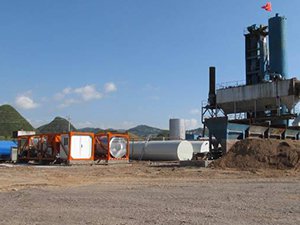
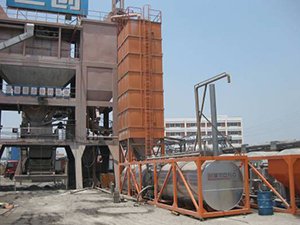
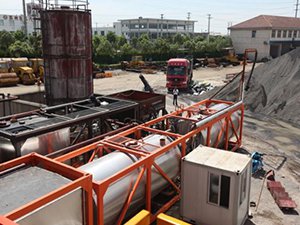
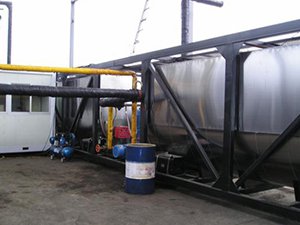
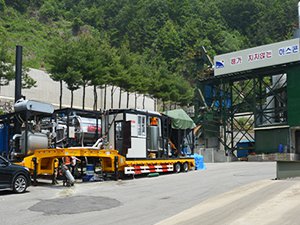
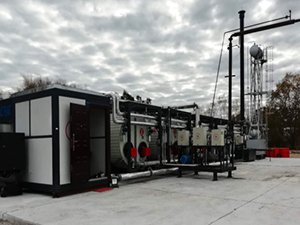
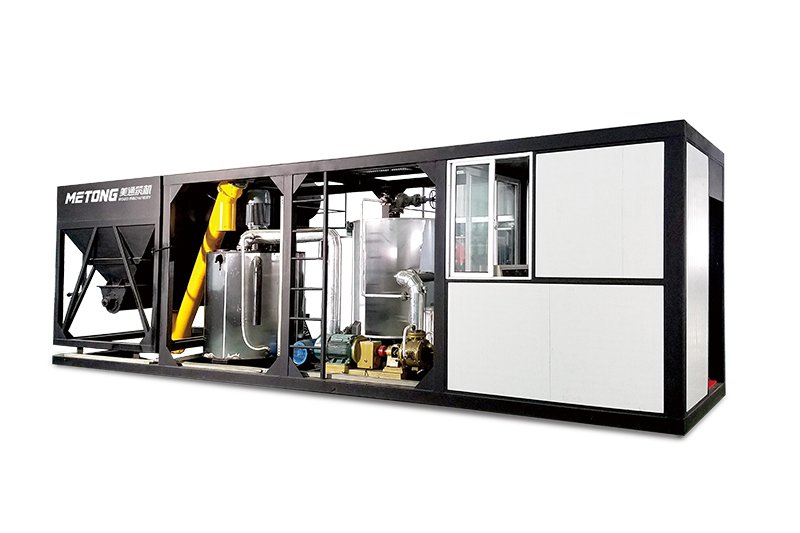
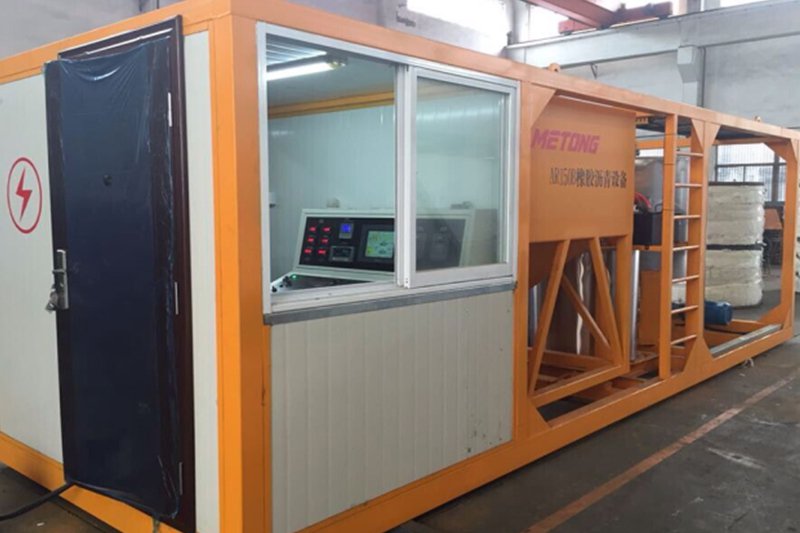
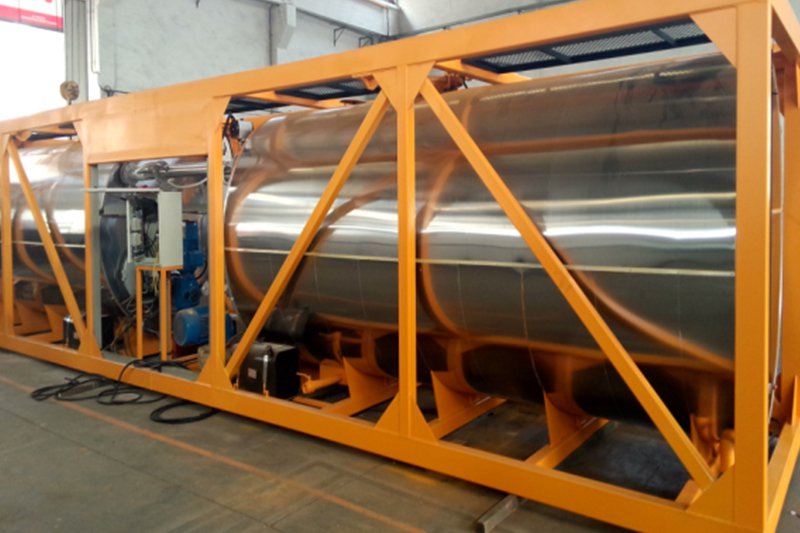
The Metong rubber bitumen plant is a dedicated production system developed for rubber bitumen processing. Designed around the mature McDonald’s wet process, the plant first blends base bitumen and crumb rubber in the mixing tank, then pumps the mixture into the reaction tank for continued heating and reaction. During this process, the crumb rubber reacts and blends with the bitumen, forming a two-phase rubber bitumen mixture for road construction use.
| Category | Item | | |
| General Parameters | Production Capacity (t/h) | 10 | 20 |
| Total Electrical Power (kW) (380V/50Hz) | ≤ 64.5 | ≤ 89.5 | |
| Operation Mode | Manual / Automatic | Manual / Automatic | |
| Main Unit Dimensions (L×W×H) (mm) | 7200×2280×2500 | 10500×2250×2500 | |
| Main Unit Operating Weight (t) | 7 | 12 | |
| Reaction Tank Dimensions (L×W×H) (mm) | 11800×2280×2500 | 11000×2250×2500 | |
| Reaction Tank Operating Weight (t) | 7 | ||
| Bitumen-to-Rubber Powder Ratio | 100:10–100:20 | ||
| Structural Type | Mobile Modular Structure | ||
| Metering Method | Bitumen | VFD + Flowmeter (Accuracy ±0.5%) | |
| Rubber Powder/SBS | VFD Screw Feeder + Loss-in-Weight (Accuracy ±0.5%) | ||
- Uniform dispersion
The production tank uses a dedicated mixing structure. The vortex plate draws crumb rubber floating on the surface into the liquid and disperses it evenly throughout the bitumen. - Efficient base bitumen heating
A large-capacity heat exchanger and electronic temperature control system heat the base bitumen and help the rubber bitumen plant adapt to different ambient conditions. - Dual temperature measurement
Temperature sensors and a bimetal thermometer provide remote digital display and on-site indication, helping reduce measurement deviation and monitor the production process more effectively. - Centralized control
The rubber bitumen plant uses an HMI and PLC control system for centralized operation and easier process management. - Flexible modular structure
The frame-type reaction and mixing units are easy to move and integrate with related systems. The rubber bitumen plant can be used together with bitumen storage facilities and asphalt mixing equipment.
Paving-grade No. 70 or No. 90 base bitumen at about 150–160°C is pumped through a bitumen filter and heated by the heat exchanger to 190–210°C. The heated bitumen is then fed into the mixing tank according to the required proportion.
At the same time, crumb rubber is weighed through the hopper and delivered by the screw conveyor into the mixing tank. After the crumb rubber and bitumen are fully mixed, the rubber bitumen is pumped into the reaction tank.
The reaction tank is equipped with thermal oil heating tubes, burner fire tubes, and a horizontal stirring screw. The rubber bitumen is maintained at 190–210°C for further mixing and reaction for about 45 minutes. Once the finished rubber bitumen meets road-use technical requirements, it can be supplied to asphalt mixing equipment or an asphalt distributor.